Post-Event Survey Questions for Team Building

Virtual team building events bring colleagues together, boost morale and productivity, and strengthen relationships. But how do we know if the event truly made an impact on the team?
Our team at Avva Experience creates memorable and fun virtual team experiences. But, in addition, we use surveys to measure their success and identify opportunities for improvement.
Such simple yet proven post-event survey questions as “What was your favorite part of the virtual event?” or “Did this online activity help you feel more connected to your colleagues?” help us to estimate employee engagement and event effectiveness. In this article, we’ll consider ten post-event questions, the types of these questions, and the best tools for collecting feedback.
Top 10 survey questions to ask your team after the event
Post-event surveys help to understand how your team experienced a virtual event and identify opportunities to make future online activities even more memorable and impactful.
At Avva Experience, our virtual event ideas for your team are designed to improve team connection, engagement, and collaboration, but we always collect feedback from participants to understand what they enjoyed most.
You can use these top ten questions as a ready-made post event survey questions template for your next digital team-building activity.
- How satisfied were you with the virtual event overall?
Type of question: Rating Scale (1–10) - How easy was it to join and participate in this online event?
Question type: Rating Scale (1–5) - Did the virtual event meet your expectations?
Question type: Yes/No (Optional comment box) - Which part of the event did you enjoy the most, and why?
Question type: Open-Ended - Did the event help you feel more connected to your colleagues?
Type of question: Likert Scale (Strongly Agree to Strongly Disagree) - Do you feel the event improved communication or collaboration within your team?
Type: Likert Scale (Strongly Agree to Strongly Disagree) - Was the length and pace of our virtual event appropriate?
Question type: Rating Scale (1–5) - How engaging did you find the activities and facilitator?
Type of question: Rating Scale (1–10) - Would you participate in a similar virtual team-building event again?
Question type: Yes/No - What suggestions do you have to improve future virtual team-building events?
Type of question: Open-Ended
The best practice is to combine rating scales, yes/no post event survey questions for attendees, Likert scales, and open-ended responses. When you gather these insights, you get a well-rounded understanding of employee satisfaction, event logistics, team connection, and opportunities for improvement.
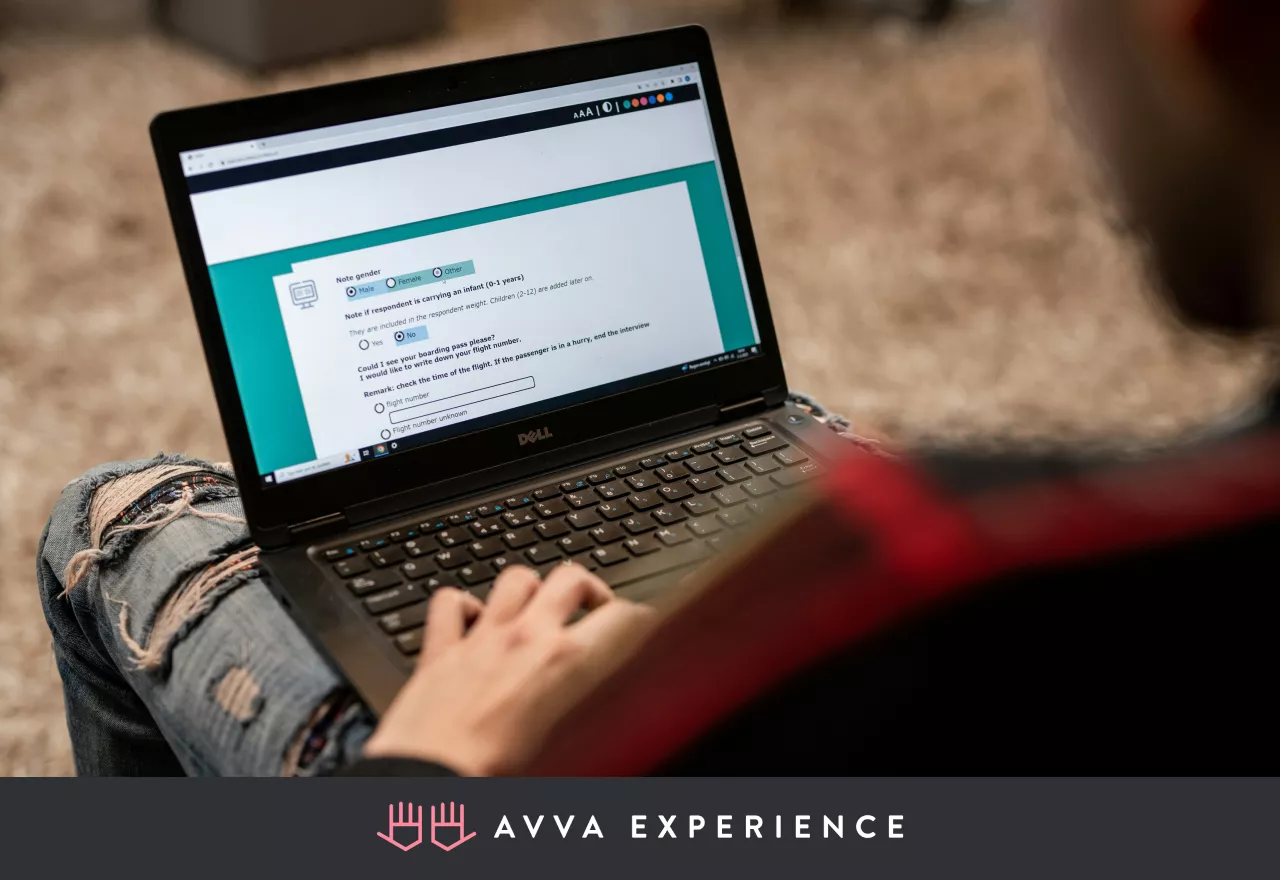
Why we recommend conducting surveys for remote teams
For HR and People teams managing distributed workforces, the right post event survey questions for staff help to understand what employees really think and feel. In virtual settings, feedback can be harder to gather naturally, and this makes the post-event surveys even more valuable.
- Honest feedback: Rather than relying on assumptions, post-event survey questions provide direct insights into employee experiences, preferences, and expectations.
- Engagement insights: We understand that it’s challenging to read the room on Zoom or MS Teams. Surveys we conduct help determine whether attendees felt engaged, connected, and included throughout the virtual event.
- Compensation for missing hallway conversations: Remote activities don’t come with post-event chats by the coffee machine. Post-event surveys capture the informal feedback that teams would otherwise miss.
- Boosted trust: When you, as an organizer, ask for feedback, you demonstrate that employee opinions matter. As a result, your employees feel heard and valued.
- Team connection measurement: With the help of post event survey questions for organizers, you understand whether an event successfully strengthened relationships, improved communication, or fostered a greater sense of belonging.
- Improved future online events: With surveys, you’ll identify what worked well and where there is room for improvement. This enables HR teams to plan even more impactful and memorable digital experiences in the future.
- Data-driven decisions: Collecting measurable feedback helps People teams justify budgets, and demonstrate ROI. So you can select activities that best support engagement and wellbeing goals.
The most popular types of questions to ask in a post-event survey
We recommend use a variety of post-event question types to help HR and People teams collect meaningful 360-degree feedback.
Quantitative questions (measurable, numerical responses) make it easier to compare results across multiple events. Qualitative responses (open-text, descriptive feedback) can reveal valuable insights that numbers alone may miss.
| Question Type | Best Used For | Post Event Survey Questions Examples |
| Rating Scale | Measuring overall satisfaction and tracking trends | “How satisfied were you with the virtual event overall? (1-10)” |
| Likert Scale | Understanding attitudes and perceptions | “I felt more connected to my colleagues after the event. Strongly Agree – Strongly Disagree” |
| Yes/No | Collecting quick feedback | “Would you participate in a similar virtual event again?” |
| Multiple Choice | Identifying preferences | “Which online activity did you enjoy the most?” |
| Open-Ended | Gathering detailed feedback and suggestions | “What would you improve about the virtual event?” |
Rating scale and Likert scale questions
Rating scales, such as a 1-5 or 1-10 scale, are one of the easiest ways to measure employee satisfaction and compare results over time. Some organizations also use a Net Promoter Score (NPS) question, meaning they ask participants how likely they are to recommend a similar event to a colleague.
Likert scales go a step further by helping teams understand attitudes and perceptions.
They are based on agreement with a statement, such as “The event helped me feel more connected to my team.”
Response options typically include:
- Strongly Agree
- Agree
- Neither agree nor disagree
- Disagree
- Strongly Disagree
Likert scales allow HR managers to monitor engagement, team morale, and belonging across multiple events.
Tracking these metrics over time makes it easier to evaluate the long-term impact of team-building initiatives.
Open-ended questions
These questions provide employees with the opportunity to share feedback in their own words, often uncovering insights that structured questions may miss.
Open-ended questions are particularly valuable for virtual team-building events, where it can be difficult to gauge participants’ experiences during the session itself.
Examples of the best post event survey questions that encourage employees to share detailed insights include:
- What was your favourite part of the event, and why?
- Did this event help you feel more connected to your colleagues? Please explain.
- What suggestions do you have for improving future virtual team-building events?
Combining open-ended post event survey sample questions with quantitative measures ensures organizations gain both actionable data and a deeper understanding of how employees experienced the event.
Best practices for sending post-event surveys
To gather meaningful feedback, it’s important to make your post-event survey easy to complete and timely.
Send surveys promptly: We recommend you send your survey within 24–48 hours of the event.
Keep your surveys short but engaging: Five to ten post virtual event survey questions for attendees are typically enough to gather useful insights without causing survey fatigue.
Choose the right channel: Email remains a popular option, but for virtual team-building events, sharing surveys via the same communication channel used for the event, such as Slack, Microsoft Teams, or Zoom chat, often leads to higher response rates.
Consider anonymity: Anonymous surveys can help employees feel more comfortable sharing honest feedback. It’s especially important when discussing engagement, inclusion, or team dynamics.
Encourage participation: Explain how feedback will be used and let employees know their opinions influence future events. A simple reminder a few days later can also help boost response rates.

Metrics to track from your post-event data
To understand the true impact of the virtual team-building experiences and make data-driven decisions, HR and People teams should monitor a few key metrics over time. These insights can help demonstrate ROI, improve future experiences, and support broader goals such as retention, morale, and employee engagement.
Net Promoter Score (NPS)
Measure how likely participants are to recommend similar events to colleagues. A high NPS often reflects strong employee advocacy, satisfaction, and engagement.
Formula: NPS = % Promoters – % Detractors
(Promoters rate 9–10, Passives 7–8, and Detractors 0–6.)
Overall Satisfaction Score
Ask post-event survey questions and track average event ratings to understand which experiences resonate most with employees and identify areas for improvement.
Formula: Overall Satisfaction = Total Satisfaction Score ÷ Number of Responses
Engagement Rate
Measure how many attendees completed the survey or actively participated in the event. This can indicate employee interest and overall morale.
Formula: Engagement Rate = (Number of Survey Responses ÷ Total Attendees) × 100
Repeat Attendance Intent
Understand whether employees would be interested in joining similar activities in the future. Strong results can help forecast demand and justify team-building budgets.
Formula: Repeat Attendance Intent = (% of respondents selecting “Yes”)
Connection & Bonding Score
Assess whether participants felt more connected to colleagues after the event. Improved connection scores can contribute to stronger collaboration, workplace culture, and employee retention.
Formula: Connection Score = Average Likert Rating Across Connection Questions
Qualitative Theme Frequency
Review open-ended responses to identify recurring themes, common suggestions, and employee sentiment. Tracking these trends can reveal opportunities to refine future events and better meet employee needs.
Your tools to collect and analyze post-event feedback
The right survey tools help you gather meaningful feedback, see tendencies, and improve future digital team-building experiences.
Google Forms
A free and user-friendly option that enables you to create simple post-event surveys. This tool integrates easily with Google Workspace, however, it offers limited design and reporting capabilities.
Typeform
Known for its engaging and conversational interface, Typeform can help boost completion rates. This survey tool is ideal for collecting employee feedback, although several advanced features may require a paid plan.
Qualtrics
A robust enterprise-grade platform with powerful analytics, sentiment analysis, and reporting tools. We recommend Qualtrics for organizations looking to track employee engagement trends over time.
Slido
This platform allows event organizers to collect live feedback, polls, and post-session survey responses. Slido works well for measuring engagement immediately after a virtual event.
Zoom/Microsoft Teams Surveys
Both platforms offer native polling and survey capabilities, making it convenient to collect employees’ feedback through the same channel used for the event.

Ready to boost team energy and morale? Turn to Avva Experience!
At Avva Experience, we’ve got plenty to keep your remote team engaged, connected, and having fun.
From quick fun ice-breakers to fully interactive challenges, our virtual networking event ideas are designed to bring energy, laughter, and authentic connection into any online session.
Final thoughts
The well-thought-out post-event surveys help HR and People teams measure engagement, understand what virtual networking activities resonate with employees, and improve future team-building initiatives.
When you ask the right post event survey questions for employees and act on these insights, you can create virtual experiences or choose ones that have a lasting impact on team connection and workplace culture.
We at Avva Experience deliver memorable virtual team-building events and help organizations measure their success through post-event feedback and pulse surveys. If you want to organize engaging virtual experiences, get in touch with our team today.
FAQ
Q. How many questions should a post-event survey have?
A. We recommend including 5–10 post-event survey questions. This is usually enough to gather meaningful feedback from participants while maintaining high completion rates.
Q. What is a good post-event survey response rate?
A. A rate of 30–50% is generally considered good. Rates above 50% indicate very high employee engagement.
Q. When should I send a post-event survey?
A. It’s best to send a survey with post event feedback survey questions within 24-48 hours of the event. This is the time when the experience is still fresh in participants’ minds.
Q. Should post-event surveys be anonymous?
A. Anonymous surveys can encourage more honest feedback. This is important when you ask about engagement, inclusion, or team dynamics. However, non-anonymous surveys may be useful if follow-up conversations are required.
Q. What questions should I ask in a post-virtual-event survey?
A. You can ask post virtual event survey questions about overall satisfaction, ease of joining the experience, team engagement levels, and favorite activities. Also, you can ask for suggestions for improving future virtual events.