How to Measure Virtual Team Building ROI in 2026
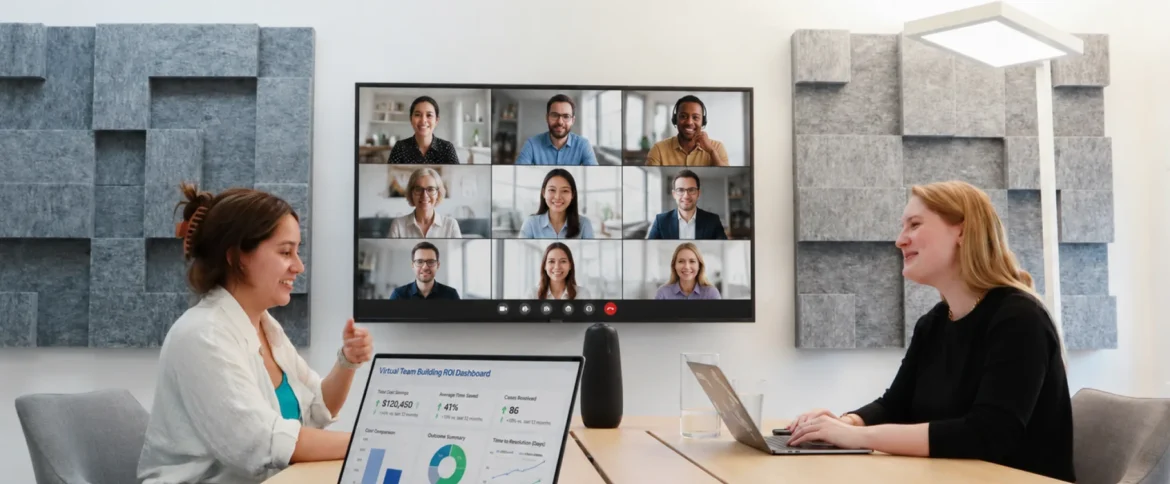
When you plan and organize virtual events well, they have a positive impact on team communication, morale, collaboration, engagement, and employee retention. One of the main reasons for companies to invest in these events is the business effectiveness of these activities.
At Avva Experience, we create and host top virtual team-building events for companies worldwide. After participating in our events, our clients frequently report higher engagement, improved employee satisfaction and well-being, and increased performance. When companies track all these improvements over time, they can quantify their business impact and measure their return on investment (ROI).
In this article, we’ll show exactly how to measure team-building ROI, which metrics to monitor before and after your virtual event, and which tools to use to track the impact of virtual activities. You will also check out some of our best virtual event ideas.
Team building ROI: Measure today and benefit tomorrow
The ROI of team building is the measurable business value; it’s generated by a team-building program compared to the total cost of organizing and delivering it.
Yes, team-building programs require an upfront investment, but when you consider the cost of disengaged employees, you understand the value of team-building activities. Poor collaboration, high employee turnover, and communication breakdowns all have significant financial consequences for any organization.
Team-building activities such as online games for employee engagement, wellbeing classes, creative virtual workshops, and other virtual events can improve these areas and save organizations tens (or even hundreds) of thousands of dollars annually.
For example, hiring a new single employee can cost anywhere from 50% to 200% of their annual salary. If one virtual team-building program helps improve retention enough to prevent just one resignation, it may already have paid for itself. This isn’t limited to retention. Even small increases in productivity or employee engagement can generate significant value across an entire workforce.
Successful companies understand that organizing virtual games and challenges is only the first step. They also track changes and improvements in engagement, team productivity, collaboration, and employee wellbeing over time.
Calculate your team building ROI with confidence
Without further ado, grab the simple formula to calculate your team-building ROI:
ROI = (Net Program Benefit ÷ Program Cost) × 100
Where:
- Net Program Benefit = Total Financial Benefits − Total Program Cost
- Program Cost includes every expense associated with planning and delivering the initiative.
These costs will include:
- Virtual event facilitation or vendor fees
- Virtual event platform subscriptions
- Internal planning time
- Team participation time
- Games, prizes, or gifts
- Technology and software expenses
- Administrative costs
The more difficult part is estimating the financial value of outcomes that don’t initially appear to have a dollar amount.
For example, how do you assign a value to stronger collaboration or higher employee engagement?
The answer is to connect those outcomes with measurable business metrics.
Higher engagement often results in lower voluntary turnover, Better customer satisfaction, higher productivity, faster employee onboarding, improved project delivery, and more.
For instance, if your HR team estimates that replacing one employee costs $20,000 and turnover decreases by three employees over the following year, you’ve generated approximately $60,000 in measurable savings.
If project delivery becomes 10% more efficient after introducing quarterly virtual team building activities, that additional productivity can also be translated into financial value.
ROI formula for HR and People Teams
If you’re in HR, you don’t need advanced financial expertise to calculate ROI.
How to measure the ROI of team building in three effective steps:
Step 1: Calculate total investment
We recommend you begin by listing every direct and indirect cost associated with the event.
For example:
- Virtual team-building program: $5,000
- Internal planning and coordination: $1,500
- Employee participation time: $3,500
So, total investment will be $10,000
Being comprehensive at this stage ensures your ROI calculation remains credible when presented to leadership.
Step 2: Estimate business benefits
Over the next three to six months, measure measurable improvements.
Example benefits might include:
- Two fewer employee resignations: $40,000
- Productivity improvements: $18,000
- Reduced absenteeism: $7,000
Total Financial Benefits = $65,000
Step 3: Apply the formula
Net Program Benefit:
$65,000 − $10,000 = $55,000
ROI:
($55,000 ÷ $10,000) × 100 = 550%
In practical terms, every dollar invested returned approximately $6.50 in business value.
This aligns with team building and employee engagement research on ROI, including findings from organizations such as Gallup and SHRM. The findings show that higher employee engagement is associated with improved productivity, lower turnover, and stronger business performance.
Main metrics to track before and after virtual events
Before organizing any virtual team-building event, establish baseline measurements so you can compare results afterward.
Most companies collect follow-up data 30, 60, and 90 days after an event. Larger organizations often monitor trends over 6 to 12 months.
| Baseline metric | Metrics to measure again after the event |
| Employee Net Promoter Score (eNPS) | Improvement in employee advocacy |
| Voluntary turnover | Reduction in employee departures |
| Absenteeism | Fewer unplanned absences |
| Pulse survey scores | Enhanced engagement and morale |
| Productivity metrics | Faster project completion or higher output |
| Cross-team collaboration | More interaction between departments |
| Employee referrals | Increased referral activity |
| Manager feedback | Improved teamwork and communication ratings |
We recommend you combine quantitative metrics with qualitative feedback. You can ask your employees how connected they feel to colleagues, whether communication has improved, and whether they feel more motivated at work.
Remote-specific metrics
When evaluating virtual team building ROI, focus on metrics that demonstrate whether employees are becoming more connected, collaborative, and engaged over time.
The most important remote-specific KPIs include:
- Virtual event attendance rate
- Active participation during sessions
- Camera-on participation
- Chat messages and poll responses
- Breakout room engagement
- Slack/Microsoft Teams activity and sentiment
- Cross-functional collaboration
- Participation in asynchronous discussions
- Employee retention among distributed teams
- Employee recognition and peer-to-peer appreciation
In addition to participation metrics, organizations should continue monitoring employee engagement surveys, retention rates, and referral activity over the following months.
Improvements in these indicators provide some of the strongest evidence that virtual team-building initiatives are creating long-term business value.
At Avva Experience, we create unique virtual events that go beyond fun and entertainment. Every experience, from wellness workshops to virtual holiday parties, is designed to encourage authentic conversations, collaboration, and shared problem-solving. With these virtual events, even distributed teams build trust despite never sharing the same office.
Your employees can participate in a virtual escape room, trivia challenge, murder mystery, or virtual wellbeing workshops, but the goal remains the same: creating stronger workplace relationships that translate into better business performance.
Proven tools we recommend to track your ROI
The right technology makes research on ROI of team building significantly easier by helping organizations collect, analyze, and compare employee engagement and performance data.
Employee engagement platforms
These tools help monitor engagement trends over time:
- Culture Amp
- Lattice
- 15Five
- Leapsome
- Qualtrics
Pulse survey software
Short, but regular surveys allow organizations to see changes in employee sentiment before and after team-building initiatives.
Popular software includes:
- Officevibe
- WorkTango
- TINYpulse
- Peakon
- CultureMonkey
Collaboration analytics
With communication platforms, you can monitor communication frequency, collaboration patterns, and employee interaction.
You can use:
- Slack Analytics
- Microsoft Teams Analytics
- Microsoft Viva Insights
- Google Workspace Reports
HR analytics
Your Human Resources Information System (HRIS) is another essential source of ROI data.
Track these metrics:
- Employee retention
- Voluntary turnover
- Absenteeism
- Time-to-productivity for new hires
- Internal mobility
- Employee referrals
Amazing virtual team building events that support higher ROI
Looking for unique virtual event ideas? At Avva Experience, we offer many interactive activities designed to maximize the ROI of team building training.
The Ultimate LEGO Team Building Virtual Workshop
We created this creative LEGO workshop to encourage teamwork, communication, and problem-solving in teams. Your employees will complete a mix of individual and collaborative activities, show their LEGO builds, and have fun together.
The Ultimate Virtual Murder Mystery Team Challenge
Work together to solve the mystery of Mayfield Manor by uncovering clues before time runs out. Hosted by a live Chief Detective, this immersive challenge combines teamwork, critical thinking, and friendly competition.
Resilience Without Burnout: An Online Workshop
Equip your team with evidence-based tools to manage stress, build resilience, and prevent burnout. This expert-led workshop supports long-term wellbeing and sustainable performance in demanding work environments.
The Heist! The Ultimate Digital Escape Room Team Challenge
Your teams will join forces to recover a priceless stolen painting by solving puzzles and completing interactive challenges. This fast-paced virtual escape room promotes collaboration, communication, and creative thinking.
The Ultimate Digital Music & Trivia Bingo Bonanza
Bring your team closer together with an entertaining virtual bingo session featuring different music types, film quizzes, and cool activities. The experience is overseen by a bona fide bingo caller, which makes it fun for everyone
Sustaining High Performance: A Virtual Workshop
Want to discover practical, science-backed strategies for maintaining productivity, focus, and resilience without burnout? Led by award-winning doctors, this workshop will help your teams build sustainable high-performance habits.

The Ultimate Time Traveling Virtual Game Show
In this experience, you’ll travel through different eras while competing in exciting game show challenges. Participants will test their knowledge, quick thinking, and collaboration in a fun, high-energy experience.
Around The World In 60 Minutes: A Virtual Team Building Adventure
Try this virtual journey across six continents, solving puzzles, trivia, and interactive challenges inspired by cultures around the world. It’s an engaging way to strengthen teamwork while learning something new.
Connection & Belonging in Remote Teams: A Virtual Workshop
Choose this workshop and strengthen team connection with practical, science-backed strategies for building trust, inclusion, and collaboration in remote and hybrid workplaces. This online class helps teams create a stronger sense of belonging.
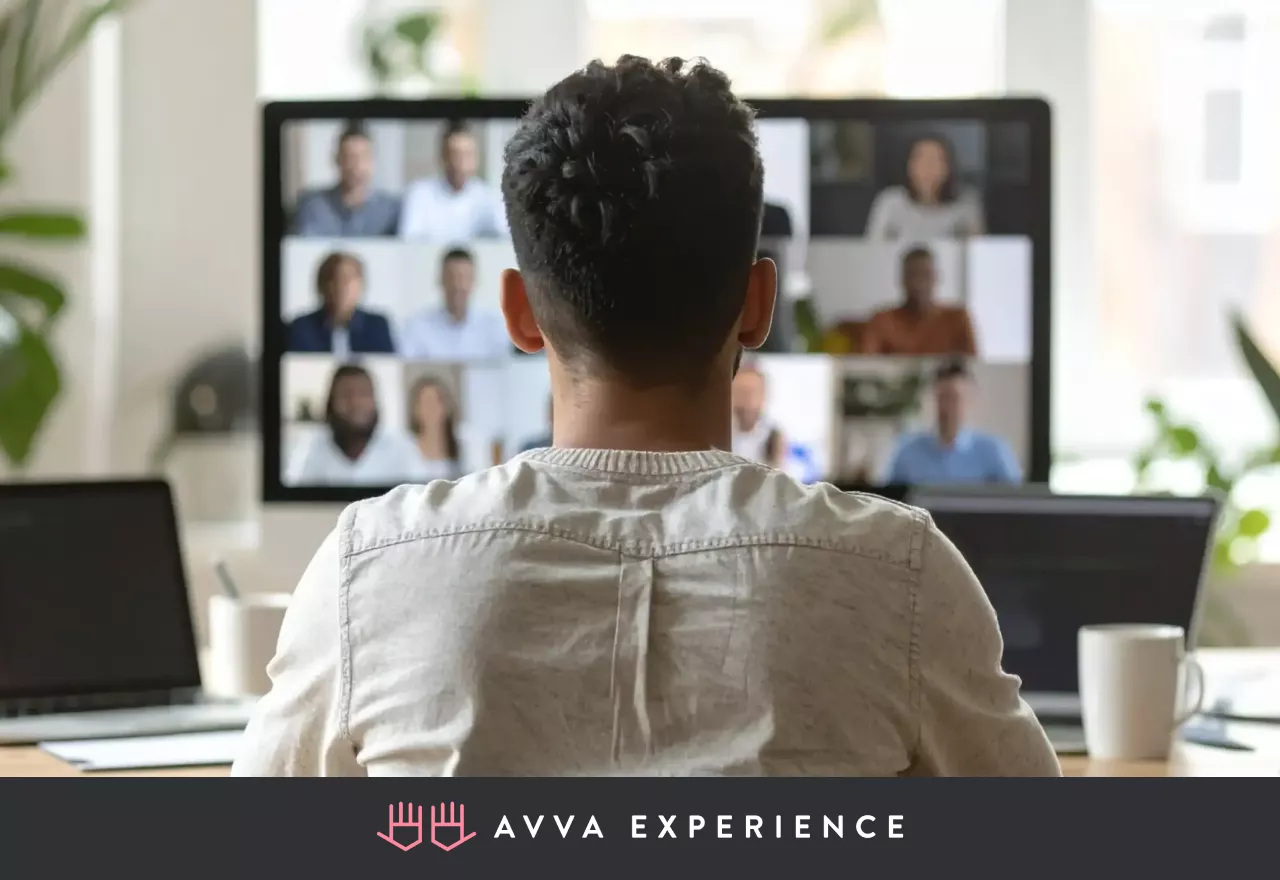
Virtual Paint and Sip Party for Teams
Relax, socialize, and create your own artwork in this virtual live, instructor-led painting session. This unique creative experience helps remote teams connect in an informal setting.
An Incredible Interactive Virtual Cocktail Making Class
You’ll craft delicious cocktails alongside a professional mixologist in this hands-on virtual class. With plenty of interaction and optional ingredient kits, it’s a great way to bring your teams together.

Desk Health & Daily Movement: A Virtual Workshop
With this online workshop, you’ll help your team improve posture, reduce tension, and increase energy with simple movement techniques for the workday.
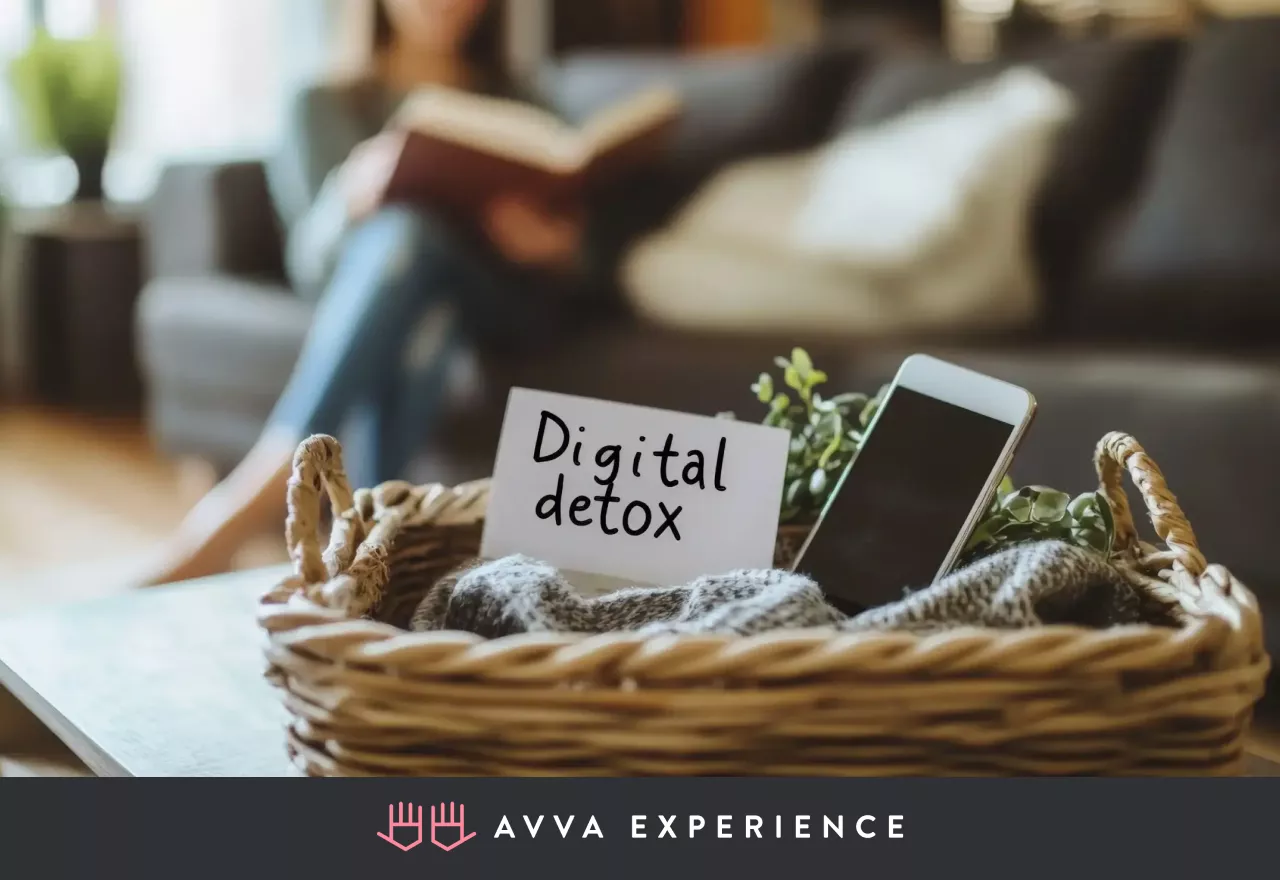
Reclaim Your Focus: A Virtual Digital Detox Workshop
Learn how to reduce digital distractions and improve concentration with practical techniques. In this virtual detox event, participants will learn healthier technology habits to boost productivity and wellbeing.
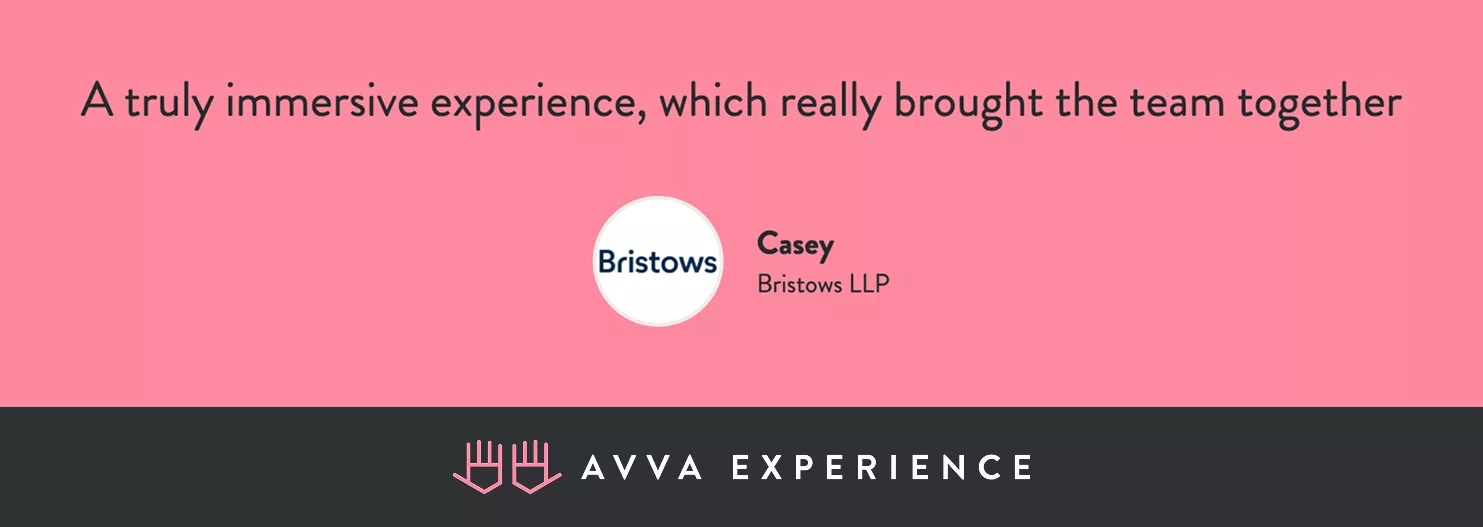
Here’s what our clients have to say about their experience with Avva Experience. Clients consistently tell us that our virtual team-building experiences strengthen team connections, enhance motivation, and support long-term retention.
Final thoughts
In the end, professionally facilitated team building gives back far more than you invest…
Companies that consistently measure outcomes such as engagement, retention, collaboration, and productivity after virtual events get a compelling picture of team building ROI.
And yes, the most valuable insights come from measuring progress over time. We recommend you compare baseline metrics with post-event results, so you can understand what’s working and quantify the impact of your team building program.
At the Avva Experience company, we believe (and build every experience around this principle) that the most successful virtual team building programs leave a lasting impact long after a virtual session ends.
Ready to see the real ROI of team building? We at Avva Experience organize team-building events that deliver meaningful and measurable results for your team and organization. Contact us today for help.
FAQ
Q. What is the ROI of a team?
A. Team ROI measures the value a team produces compared to the investment made in its people/development/activities. ROI of a team may include improvements in team productivity, engagement, collaboration, retention, and business performance.
Q. How do you measure the ROI of your team-building activities?
A. You can calculate team building ROI by comparing the financial value of the benefits gained, such as reduced turnover, higher productivity, or improved engagement, to the total cost of the program. The formula: (Net Program Benefit ÷ Program Cost) × 100.
Q. What studies support the ROI of team building in organizations?
A. Research from organizations such as Gallup, SHRM, and Deloitte provides evidence for the ROI of team building in organizations. These studies show that well-planned team building impacts engagement, retention, and team performance.
Q. What’s a realistic ROI range for team building programs?
A. ROI varies by organization and how you measure success. While a 300%–800% return is a commonly cited range for successful team-building programs, there is no universal industry benchmark or single team building ROI study that applies to every company.